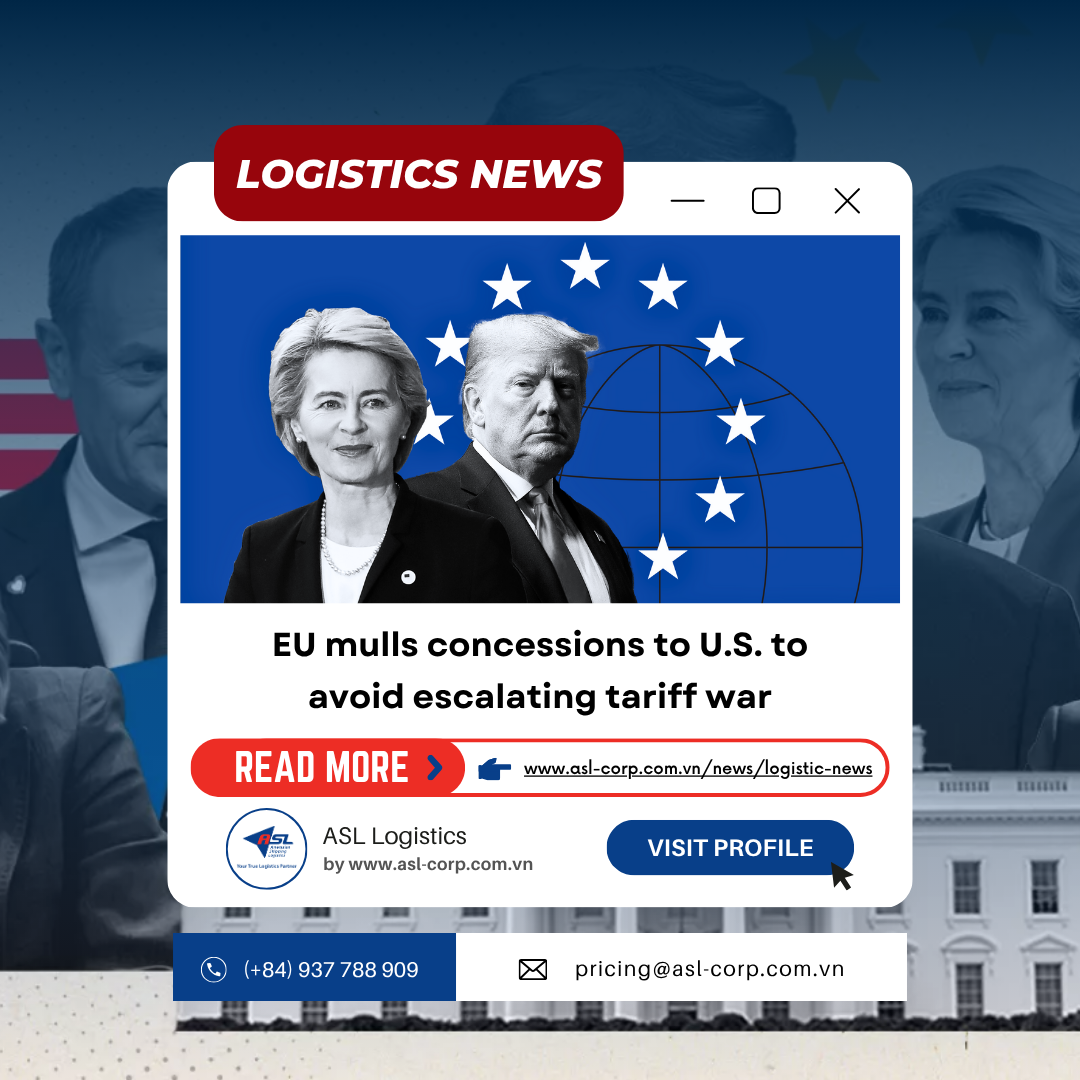


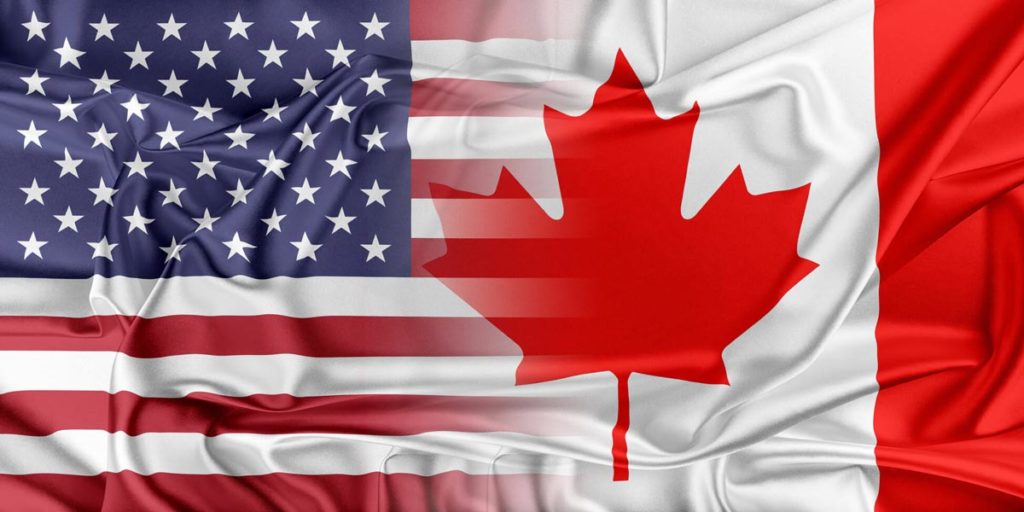
U.S. President Donald Trump has just threatened to immediately impose a 100% tariff on goods imported from Canada if the country proceeds with a preliminary trade agreement with China. The move has raised concerns over potential disruptions to North America’s automotive and energy supply chains, despite commitments under the USMCA.
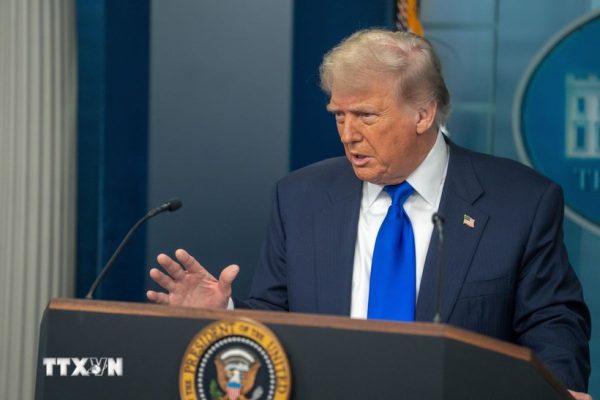
U.S. President Donald Trump said on Saturday that he would impose a 100% tariff on Canadian goods in response to Canada’s growing trade partnership with China. The statement indicates that tariffs on imports from Canada would take effect immediately if Ottawa finalizes a preliminary trade agreement with Beijing that was announced earlier this month.
In a post on Truth Social on Saturday, Trump wrote: “If Canada goes through with the deal with China, they will immediately face a 100% tariff on all Canadian goods and products entering the United States.” He did not provide further details on how such tariffs would be implemented.
Cause of the Tensions
Earlier this month, Canada and China reached a “preliminary agreement in principle” aimed at lowering tariffs and expanding market access for goods from both countries. Under the proposed terms, China is expected to reduce tariffs on certain Canadian agricultural exports, including canola seeds, while Canada has said it would lower tariffs on an annual quota of 49,000 electric vehicles (EVs) manufactured in China.
Several provisions of the agreement are expected to take effect in March. It remains unclear whether Trump’s tariff threat would apply immediately upon the preliminary agreement or be tied to the March timeline.
In his post, Trump argued that the proposed deal would turn Canada into a “drop-off port” for China, allowing Beijing to circumvent U.S. trade barriers.
Canada’s Response and USMCA Commitments
Responding to the concerns, Canadian Prime Minister Mark Carney said on Sunday that the preliminary agreement with China is intended solely to address “issues that developed in the last couple of years” and does not constitute the framework of a full free trade agreement (FTA).
Carney emphasized that such an agreement would violate provisions of the United States–Mexico–Canada Agreement (USMCA), known as CUSMA in Canada. He stated: “We have commitments under CUSMA not to pursue free trade agreements with non-market economies without prior notification.”
“We have no intention of doing so with China or any other non-market economy.”


.png)
.png)

.png)